

How to Choose Between Small and Large Warehouse Spaces for Your Operations in Houston
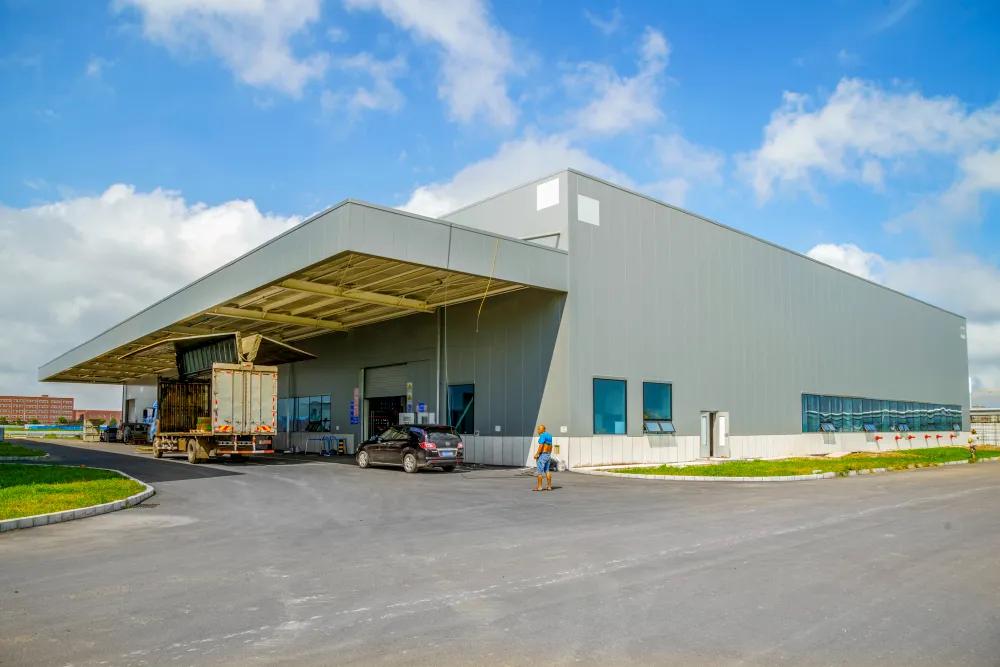
Warehouse Spaces in Houston
Houston’s growing business landscape has made warehouse space a critical requirement for companies across industries, including logistics, manufacturing, retail, e-commerce, and distribution. With the city’s strong transportation network, access to major highways, and expanding commercial activity, businesses often look for warehouse solutions that can support their operational goals.
However, one of the biggest decisions companies faces is choosing between small and large warehouse spaces. Selecting the right size is not only about the amount of storage available but also about factors such as business growth, inventory requirements, operational efficiency, budget, and future expansion plans.
Choosing the wrong warehouse size can lead to unnecessary expenses, limited productivity, or frequent relocations. Understanding the advantages and challenges of both small and large warehouse spaces can help businesses make a more informed decision.
Understanding Small Warehouse Spaces
Small warehouse spaces are typically suitable for startups, small businesses, local distributors, and companies with limited inventory requirements. These facilities provide enough room for essential storage and daily operations without requiring the financial commitment of a larger property.
Many growing businesses choose smaller warehouses because they offer flexibility and lower operating costs while allowing companies to establish their presence in competitive markets like Houston.
Benefits of Small Warehouse Spaces
Lower Rental and Operating Costs
One of the biggest advantages of choosing a small warehouse is affordability. Smaller facilities generally have lower lease rates, reduced utility expenses, and fewer maintenance costs compared to larger industrial properties.
For businesses that are still developing their customer base or testing market demand, a smaller warehouse can provide the necessary space without creating unnecessary financial pressure.
Easier Inventory Management
Small warehouse spaces often allow businesses to maintain better control over their inventory. With fewer storage areas and shorter travel distances, employees can quickly locate products, organize stock, and manage daily operations efficiently.
This can be especially beneficial for businesses handling limited product lines or specialized inventory.
Better Space Utilization
A smaller facility encourages businesses to optimize available space. Companies can implement organized shelving systems, vertical storage solutions, and efficient layouts to maximize warehouse capacity.
For businesses that prioritize efficiency over large storage volumes, a smaller warehouse can be an effective solution.
Suitable for Local Operations
Businesses serving local customers in Houston may not require a large distribution center. A smaller warehouse can provide convenient storage while keeping operations close to customers, suppliers, and delivery routes.
Challenges of Small Warehouse Spaces
While small warehouses offer several advantages, they may not be suitable for businesses experiencing rapid growth or increasing inventory demands.
Common limitations include:
Limited storage capacity
Reduced room for expansion
Less space for equipment and employees
Potential need for relocation as operations grow
Businesses should carefully evaluate their future goals before committing to a smaller facility.
Understanding Large Warehouse Spaces
Large warehouse spaces are designed for businesses with significant storage needs, high inventory volumes, manufacturing operations, or complex distribution requirements. These facilities provide more room for inventory management, equipment, employees, and future expansion.
Houston’s industrial market offers various large warehouse options designed to support companies involved in regional and national supply chain operations.
Benefits of Large Warehouse Spaces
Supports Business Growth
Large warehouse spaces provide room for companies to expand operations without immediately needing to relocate. Businesses can increase inventory levels, add equipment, hire additional employees, and introduce new services within the same facility.
For companies expecting significant growth, investing in a larger warehouse can provide long-term operational stability.
Improved Distribution Capabilities
Businesses involved in logistics and distribution often require larger warehouses to handle higher shipment volumes. Additional storage space allows companies to maintain inventory levels, process orders efficiently, and manage larger supply chain operations.
A strategically located large warehouse in Houston can improve delivery performance and support regional distribution networks.
More Room for Equipment and Operations
Large warehouses provide additional space for:
Forklifts and industrial equipment
Packaging stations
Inventory processing areas
Employee workspaces
Loading and unloading operations
This allows businesses to create organized workflows that improve productivity.
Reduces the Need for Frequent Relocation
Moving warehouse operations can be expensive and disruptive. A larger facility may reduce the likelihood of future relocations by accommodating business expansion for several years.
Challenges of Large Warehouse Spaces
Although large warehouses offer significant benefits, they also come with higher costs and responsibilities.
Potential challenges include:
Higher monthly lease expenses
Increased utility costs
More maintenance requirements
Additional security considerations
Higher upfront setup costs
Businesses should ensure that their operational needs justify the investment before choosing a larger facility.
Factors to Consider When Choosing Warehouse Size in Houston
Choosing between a small and large warehouse requires careful evaluation of several important factors.
1. Inventory Volume and Storage Requirements
The amount of inventory a business manages should be one of the first considerations. Companies with limited products may only require a smaller warehouse, while businesses handling large quantities of inventory may need additional storage capacity.
Businesses should evaluate:
Current inventory levels
Seasonal fluctuations
Product sizes
Storage methods
Future inventory growth
2. Business Growth Plans
A warehouse should support both current operations and future objectives. Businesses expecting rapid expansion should consider whether a smaller facility will meet their needs over the next few years.
Choosing a warehouse with room for growth can help avoid relocation expenses and operational disruptions.
3. Budget and Total Operating Costs
Warehouse decisions should be based on more than monthly rent. Businesses should calculate the complete cost of operating the facility, including:
Lease payments
Insurance
Utilities
Maintenance
Labor expenses
Equipment costs
Property improvements
A larger warehouse may provide more capacity, but businesses must ensure it fits within their financial plans.
4. Type of Business Operations
Different industries have different warehouse requirements. A company focused on online retail fulfillment may need different space compared to a manufacturing company or wholesale distributor.
Businesses should consider:
Required storage systems
Equipment needs
Shipping frequency
Employee requirements
Production activities
5. Location and Accessibility
The warehouse location can significantly affect transportation costs and operational efficiency. Houston businesses should evaluate access to:
Major highways
Shipping routes
Suppliers
Customers
Workforce availability
A well-located warehouse can improve delivery times and reduce logistics expenses.
6. Flexibility and Lease Terms
Businesses should consider whether warehouse lease terms allow them to adapt as their needs change. Flexible agreements can help companies adjust their space requirements as operations evolve.
Important factors include:
Lease duration
Expansion options
Renewal terms
Space modification permissions
Small vs. Large Warehouse Space: Which Option Is Right for Your Business?
The right warehouse size depends on the company’s current operations, financial position, and future goals.
A small warehouse may be the better choice for:
Startups
Local businesses
Companies with limited inventory
Businesses focused on cost control
Organizations testing new markets
A large warehouse may be more suitable for:
Growing companies
E-commerce businesses
Manufacturers
Wholesale distributors
Companies managing high inventory volumes
Businesses should avoid choosing warehouse space based only on immediate needs. A facility should support operational efficiency while providing room for future development.
Why Houston Businesses Need the Right Warehouse Solution
Houston continues to attract businesses because of its strong economy, transportation infrastructure, and growing demand for commercial and industrial properties. From small businesses expanding their operations to large companies managing complex supply chains, choosing the right warehouse size plays an important role in long-term success.
The right warehouse can improve inventory management, reduce operational challenges, and create a more efficient workflow. Companies that carefully evaluate their requirements can find a facility that supports both current operations and future growth.
Conclusion
Choosing between small and large warehouse spaces in Houston requires businesses to balance cost, operational requirements, inventory needs, and future expansion plans. While smaller warehouses provide affordability and flexibility, larger facilities offer additional capacity and long-term growth opportunities.
By evaluating business goals, storage requirements, location, and budget, companies can select a warehouse solution that improves efficiency and supports sustainable growth. A well-planned warehouse decision can help businesses remain competitive in Houston’s expanding commercial market.
Businesses searching for flexible commercial property solutions can partner with Samuel L. Bryant Investments to explore spaces designed for modern operational needs. Their property options help companies find suitable facilities, including an Office Warehouse in Houston, that combines workspace functionality with convenient storage capabilities. Whether businesses need space for administration, inventory management, or daily operations, they can discover solutions tailored to their requirements. With a focus on strategically located properties, Samuel L. Bryant Investments helps companies secure commercial spaces that support productivity and growth. Reach out to them today to explore available office warehouse opportunities and secure a location that supports business growth.